
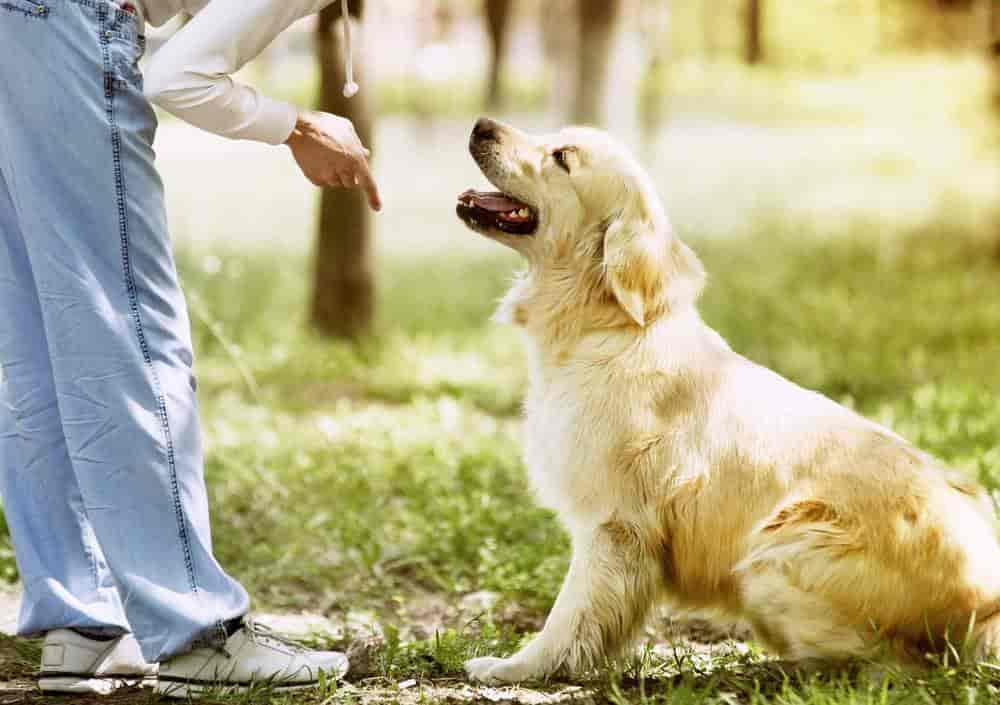
Dog reactivity can feel overwhelming for owners who are trying to manage barking, lunging, or intense emotional responses on walks or around visitors. The good news is that reactive dog training is not about “controlling” the dog, it’s about reshaping emotional responses and building calm, reliable behavior in real-world situations. With the right approach, even highly reactive dogs can learn to stay grounded and responsive under pressure.
For families seeking structured support, professional programs like those offered by Rob’s Dog Training provide practical, experience-based solutions that focus on communication, consistency, and long-term behavioral change. In this guide, we’ll break down what reactivity really means, why it happens, and how effective training transforms it.
- Understanding Reactive Dog Training and What It Really Means
- Why Dogs Become Reactive The Root Causes
- Core Principles of Effective Reactive Dog Training
- Step-by-Step Approach to Reactive Dog Training
- Common Mistakes Owners Make in Reactive Dog Training
- How Professional Reactive Dog Training Builds Real Confidence
- When to Seek Professional Help
- Building a Calmer Path Forward
Understanding Reactive Dog Training and What It Really Means
Reactive dog training focuses on changing a dog’s emotional response to triggers, not just suppressing outward behavior. A reactive dog might bark at other dogs, people, bicycles, or noises. While this can look like “bad behavior,” it is often rooted in fear, frustration, overexcitement, or lack of exposure.
True training goes beyond obedience commands. Instead, it targets:
- Emotional regulation under stress
- Threshold management (how close is “too close” to a trigger)
- Controlled exposure to triggers
- Reinforcement of calm behavior
- Clear communication between dog and owner
This is where many owners struggle on their own. Without a structured plan, dogs often rehearse reactive behaviors, making the habit stronger over time. That’s why guided programs like those from Rob’s Dog Training are designed to interrupt that cycle and rebuild confidence step by step.
Why Dogs Become Reactive The Root Causes
To effectively apply reactive dog training, it’s important to understand what drives the behavior. Reactivity is rarely random, it usually develops from a combination of factors.
1. Lack of Socialization
Dogs that were not exposed to diverse environments during early development may see unfamiliar stimuli as threats.
2. Fear-Based Responses
A dog that feels unsafe may use barking or lunging as a defense mechanism.
3. Frustration or Barrier Reactivity
Dogs on leashes often feel trapped, which can intensify their response when they see triggers.
4. Overstimulation
Highly energetic or intelligent dogs may become overwhelmed in busy environments.
5. Learned Behavior
If barking or lunging has previously made a trigger go away, the behavior is reinforced.
Understanding the “why” behind reactivity is essential because it determines the training approach. A fear-based dog needs confidence-building, while a frustration-based dog needs impulse control and structure.
Core Principles of Effective Reactive Dog Training
Successful reactive dog training programs are built on a few key principles that guide every session.
Threshold Awareness
Training must begin below the dog’s reaction threshold. If the dog is already barking or lunging, learning stops.
Desensitization and Counterconditioning
Dogs are gradually exposed to triggers at safe distances while pairing the experience with positive reinforcement such as treats or praise.
Consistency Across Environments
Reactivity doesn’t only happen at home. Training must transfer to real-world settings like parks, sidewalks, and neighborhoods.
Clear Leadership and Communication
Dogs thrive when expectations are consistent and easy to understand. Mixed signals from handlers often increase anxiety.
Reinforcement of Calm Behavior
Instead of punishing reactions, successful programs reward calm decisions, helping the dog learn what to do instead of what not to do.
These principles form the foundation of structured programs like those offered by Rob’s Dog Training, where training is tailored to each dog’s temperament and triggers.
Step-by-Step Approach to Reactive Dog Training
While every dog is different, most professional training plans follow a structured progression.
Step 1: Behavior Assessment
Identify triggers, intensity levels, and environmental patterns.
Step 2: Management Strategies
Before behavior changes, safety comes first. This may include:
- Distance control during walks
- Use of appropriate training equipment
- Avoiding high-trigger environments temporarily
Step 3: Controlled Exposure
Introduce triggers at a safe distance where the dog can remain calm.
Step 4: Reinforcement Training
Reward calm focus using high-value reinforcement to build positive associations.
Step 5: Gradual Progression
Slowly reduce distance to triggers while maintaining calm responses.
Step 6: Real-World Generalization
Practice in multiple environments so the behavior becomes reliable everywhere.
This structured progression is what separates professional reactive dog training from trial-and-error approaches that often lead to inconsistent results.
Common Mistakes Owners Make in Reactive Dog Training
Even well-meaning owners can unintentionally reinforce reactive behavior. Some of the most common mistakes include:
- Getting too close to triggers too quickly
- Punishing barking without addressing emotion
- Inconsistent commands between family members
- Skipping structured progression steps
- Expecting immediate results
Reactivity is not solved overnight. It requires patience and repetition. Without structure, progress often stalls or reverses.
Professional guidance, such as programs from Rob’s Dog Training, helps prevent these setbacks by providing a clear roadmap and hands-on coaching.
How Professional Reactive Dog Training Builds Real Confidence
One of the most important outcomes of reactive dog training is not just better behavior, it’s a more confident dog.
Professional training helps dogs:
- Feel safer in previously stressful environments
- Learn predictable routines and expectations
- Replace panic responses with calm decision-making
- Build trust with their handler
- Develop emotional resilience over time
Owners also benefit significantly. They gain clarity, control, and confidence in handling situations that once felt unpredictable.
This dual transformation, dog and owner working together, is what makes structured training so effective compared to DIY methods alone.
When to Seek Professional Help
While some mild reactivity can improve with basic training, certain cases require professional intervention:
- Aggression toward people or dogs
- Severe leash reactivity
- Escalating behavior despite training attempts
- Safety concerns during walks or visitors
- Multiple triggers across environments
In these situations, working with experienced trainers ensures safety and faster progress. Programs like those from Rob’s Dog Training specialize in addressing complex behavioral challenges through customized plans and real-world application.
Building a Calmer Path Forward
Reactive dog training is not about quick fixes, it’s about understanding behavior, reshaping emotional responses, and building long-term stability. With structured guidance, consistency, and the right reinforcement strategies, even dogs with strong reactive tendencies can learn calm, reliable behavior.
For owners ready to move beyond frustration and uncertainty, professional support can make a significant difference. Training programs from Rob’s Dog Training offer a clear path toward better communication, improved behavior, and a stronger bond between dog and owner. Visit to learn more at robsdogs.