
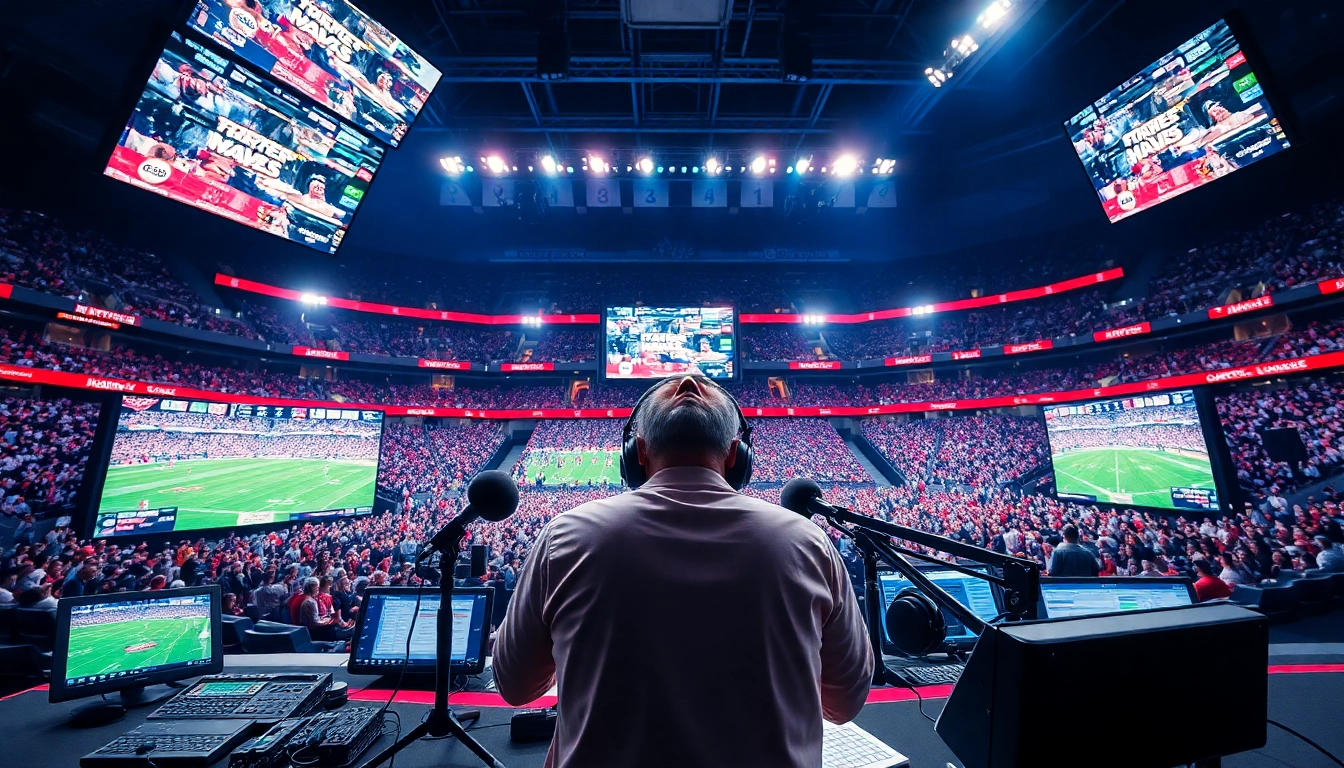
Understanding the Fundamentals of Sports Broadcasting
What is Sports Broadcasting?
Sports broadcasting involves the dissemination of sports events to a wide audience via various media platforms, including television, radio, and digital streams. It encompasses live commentaries, highlights, analysis, and statistics, allowing fans to engage with their favorite sports in real-time. The evolution of media technology has significantly transformed how sports are consumed, making it essential for broadcasters to continuously adapt to change. For those looking to dive deeper into the subject, comprehensive insights can be found at Sports Broadcasting.
The Role of Technology in Sports Broadcasting
Technology plays a pivotal role in modern sports broadcasting. Advances such as high-definition video, instant replay, and augmented reality provide viewers with an enhanced experience. Digital tools allow broadcasters to present detailed statistics and graphics, creating a more informed audience. Additionally, the integration of artificial intelligence helps in analyzing player performance and predicting outcomes, enabling broadcasters to engage fans in new ways. The role of mobile applications and streaming services also cannot be overstated, as these platforms offer on-the-go accessibility to live events, catering to an increasingly mobile user base.
Types of Sports Broadcasting Formats
There are several formats within sports broadcasting, each tailored to various audience preferences and delivery methods:
- Live Broadcasts: These are real-time broadcasts of sporting events, where commentary and analysis occur as the event unfolds.
- Pre-recorded Highlights: Packages that summarize key moments of a game or event, often airing shortly after the conclusion.
- Analysis Shows: Programs dedicated to discussing outcomes, player performances, and strategies post-event.
- Podcasting: Audio shows that can be consumed at the listener's convenience, covering various topics from game analyses to industry discussions.
Key Challenges in Sports Broadcasting
Addressing Legal and Licensing Issues
One of the foremost challenges in sports broadcasting is navigating the complex web of legal and licensing issues. Broadcasters must obtain rights to air a particular event or league, which can involve significant financial commitments. Intellectual property rights, broadcasting standards, and international regulations are also factors that must be considered. Working with legal experts and staying informed about evolving laws can help broadcasters mitigate risks while maximizing coverage.
Managing Live Broadcast Complexities
Live broadcasting comes with inherent complexities, including technical failures, unexpected weather conditions, and venue logistics. Broadcasters must have contingency plans to address these issues on the fly. This often involves having backup feeds, employing skilled technicians, and training on-site personnel to deal with challenges efficiently. The pressure of live broadcasting requires broadcasters to be adaptable, ensuring they can maintain quality and continuity despite unforeseen circumstances.
Catering to Diverse Audience Preferences
Today's sports audiences are more diverse than ever. Preferences can vary widely based on demographics, geographical locations, and individual interests. Successful broadcasters segment their audience and tailor content accordingly, providing options such as multilingual commentary, diverse programming, and interactive content to appeal to a broad viewership. Utilizing social media platforms to gauge audience sentiment and preferences can also help in developing more targeted programming strategies.
Strategies for Effective Sports Broadcasting
Enhancing Viewer Experience with Real-Time Stats
Viewer engagement can significantly increase when broadcasts incorporate real-time statistics and insights. Displaying live stats on-screen, along with graphical representations of player performance and game dynamics, can enhance understanding and enjoyment for viewers. This approach not only keeps fans informed but also fosters a more interactive viewing experience. The challenge lies in presenting data in an easily digestible format without overwhelming the audience.
Utilizing Social Media for Broader Reach
Social media platforms are invaluable tools for sports broadcasters, allowing for immediate audience interaction and content dissemination. Engaging with fans through live tweets, Instagram stories, and Facebook discussions can enhance the overall viewing experience and build community. Social campaigns can also promote watching live broadcasts by generating buzz around upcoming games and events, thus increasing viewership and interaction.
Engagement Techniques for Live Events
During live events, broadcasters can use various engagement techniques to maintain viewer interest. Polling the audience, hosting trivia contests, or allowing viewers to submit questions for commentators are effective strategies. Gamifying the viewing experience with fantasy leagues or betting integrations also enhances engagement, as viewers feel a more personal stake in the outcomes of events. Collaboration with influencers or athletes can further amplify these strategies, reaching wider audiences.
Measuring Success in Sports Broadcasting
Key Performance Indicators (KPIs) to Track
To assess the effectiveness of sports broadcasting strategies, it is critical to define and track key performance indicators (KPIs). Popular KPIs include viewership numbers, audience retention rates, social media engagement metrics, and revenue generated from ads or subscriptions. By analyzing these metrics, broadcasters can determine what is working, adjust their strategies, and allocate resources effectively.
Understanding Audience Analytics
In-depth audience analytics offer valuable insights into viewer behaviors and preferences. Using data from streaming services and social platforms, broadcasters can gain a comprehensive understanding of who is watching, how long they stay engaged, and what content resonates with them. This data-driven approach allows for more effective content curation and targeted advertising that aligns with audience interests.
Feedback Mechanisms for Continuous Improvement
Establishing feedback channels is essential for continual improvement in sports broadcasting. Gathering input from viewers through surveys, social media comments, or directly engaging with fans during broadcasts can identify areas needing enhancement. These insights not only help fine-tune content and delivery mechanisms but also foster a culture of responsiveness that values audience opinions.
Future Trends in Sports Broadcasting
The Rise of Augmented and Virtual Reality
Augmented reality (AR) and virtual reality (VR) are on the forefront of revolutionizing sports broadcasting. These technologies immerse fans in the action, providing unique perspectives through 360-degree live streams or enhanced viewing experiences with AR overlays. Such innovations can significantly enhance engagement, making the viewing experience more exciting and interactive.
Impact of Artificial Intelligence on Broadcasting
Artificial intelligence is reshaping the landscape of sports broadcasting by automating processes and enhancing content delivery. AI can assist in real-time analytics, providing insights during broadcasts that can change the narrative shared with the audience. Additionally, machine learning algorithms can personalize content for viewers, improving overall satisfaction and increasing viewer loyalty.
Shifting Viewer Habits and Preferences
As technology evolves, so do viewer habits and preferences. The shift towards on-demand content is significant, leading to the popularity of streaming services over traditional cable broadcasts. Broadcasters must stay ahead of this trend by embracing flexible content delivery and offering viewers a variety of options for consuming their favorite sports. An adaptive approach that encompasses both live and recorded content will be key to meeting shifting expectations.
Frequently Asked Questions
What is Sports Broadcasting?
Sports broadcasting refers to the distribution of sports events through various media channels, enabling audiences to watch or listen to sporting events live or through highlights and analysis.
How has technology changed Sports Broadcasting?
Technology has enhanced the viewing experience with high-definition broadcasts, real-time statistics, and interactive features, making sports more accessible and engaging for audiences.
What are some common challenges in Sports Broadcasting?
Key challenges include navigating legal and licensing issues, managing live broadcast complexities, and catering to a diverse audience with varying preferences.
How can broadcasters enhance viewer engagement?
Broadcasters can enhance engagement by utilizing real-time stats, social media interactions, and gamification techniques that make the viewing experience more interactive and enjoyable.
What is the future of Sports Broadcasting?
The future of sports broadcasting will likely be shaped by augmented reality, artificial intelligence, and changing viewer habits towards on-demand and personalized content delivery.