
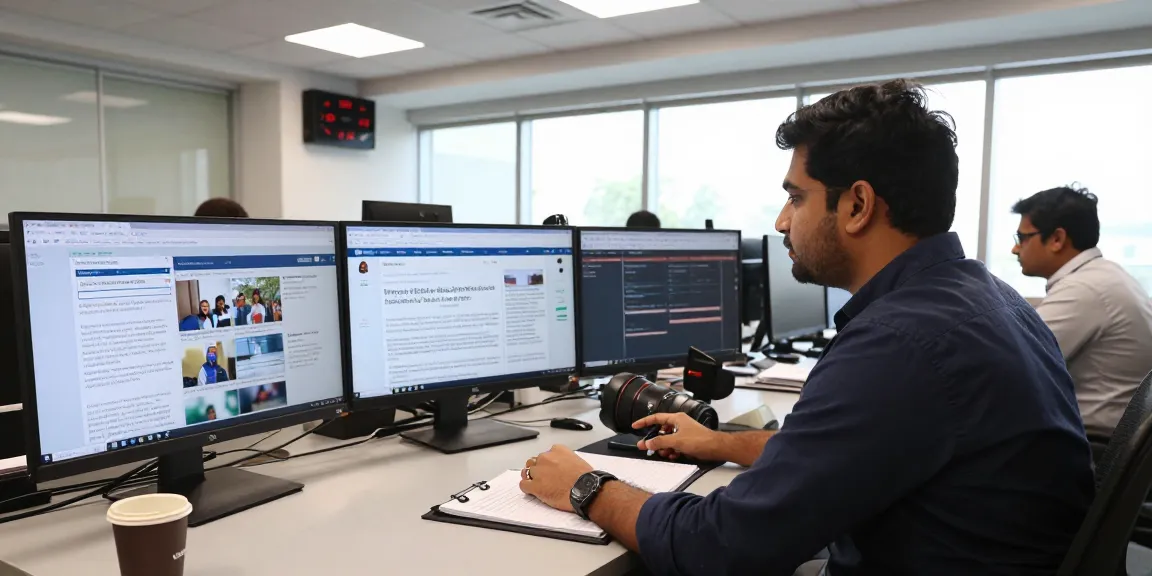
The Evolution of News Consumption in 2026
As we step into 2026, the landscape of news consumption has undergone significant transformation, reflecting changes in reader preferences and the rapid advancement of technology. Audiences today are more discerning than ever, seeking immediate access to information that aligns with their interests and values. The rise of digital platforms has contributed to the diversification of news sources, allowing consumers to tailor their news feeds to reflect a wider array of viewpoints. Notably, https://www.theindaily.com serves as a key player in providing up-to-the-minute news from India, catering not only to local readers but also to a global audience looking for reliable information in a digestible format.
Changing Reader Preferences and Trends
In recent years, readers have become accustomed to a plethora of choices regarding news consumption. The trends observed in 2026 indicate a growing preference for concise, visual content that can be easily consumed on mobile devices. This shift has led to an increase in the use of social media platforms as primary sources of news, where brief videos and infographics dominate. Additionally, personalization has taken center stage, with algorithms curating content based on individual user behavior, ensuring that the news delivered aligns closely with personal interests.
Impact of Technology on News Delivery
The technological advancements shaping news delivery are staggering. Artificial intelligence tools are increasingly being employed to automate reporting and content curation, allowing news outlets to respond rapidly to breaking stories. Real-time analytics provide insights into reader engagement, helping news organizations adapt their strategies accordingly. This evolution has not only enhanced the speed at which news is disseminated but has also cultivated an environment where factual accuracy and integrity are paramount, as readers demand transparency from their news sources.
How https://www.theindaily.com is Adapting
In this dynamic climate, https://www.theindaily.com has adapted by embracing these trends head-on. The platform offers a user-friendly interface that features a mix of text, video, and interactive content designed to engage readers across a variety of demographics. By focusing on high-quality journalism that includes comprehensive analyses of ongoing events, The In Daily is meeting the demands of a sophisticated audience that seeks depth alongside immediacy.
Key Political Developments in India
Analyzing Current Political Climate
The political landscape in India is ever-changing, with recent elections highlighting the complexities of governance in a diverse and populous nation. As we analyze the current political climate in 2026, it becomes evident that issues such as regional autonomy, economic disparity, and social justice take precedence. Political parties are leaning more towards localized campaigning strategies that speak directly to the concerns of constituents, a trend fueled by the increased use of data analytics in voter outreach.
Impact of Government Policies
Government policies have a profound effect on the social and economic fabric of the nation. Recent legislative measures aimed at job creation and digital inclusion reflect a commitment to addressing economic challenges. The government’s push towards promoting start-ups and small businesses shows promise in reducing unemployment and fostering innovation. Ongoing assessment of these policies will be crucial in understanding their real-world impact and the trajectory of political discourse in India.
Forecasting Political Trends for 2026
Looking ahead, political analysts predict that the rise of populism will continue to influence electoral outcomes in India. Additionally, the engagement of youth voters is likely to reshape traditional party structures, pushing for more accountability and transparency. These emerging trends signify a robust political engagement among citizens, particularly in urban areas, where access to information is more democratized.
Economic Growth and Opportunities
Current Economic Challenges
In 2026, India faces several economic challenges, including inflation pressures and fluctuating global markets. The need for sustainable growth has never been greater, with experts emphasizing the importance of creating resilient economic strategies that can withstand global shocks. Key sectors, such as manufacturing and technology, are poised for growth, but require significant investment and policy support to flourish.
Emerging Industries and Innovations
The Indian economy is witnessing the emergence of new industries driven by technological innovation. Renewable energy, biotechnology, and fintech are gaining prominence as sectors that not only promise significant returns but also contribute to broader societal goals, such as environmental sustainability and financial inclusion. Partnerships between the government and private sector are critical in fostering innovation-led growth.
Economic Predictions for India by 2026
Forecasts suggest that the Indian economy may become one of the top three largest in the world by 2026 if current growth trajectories continue. However, achieving this will depend on addressing systemic issues such as corruption, bureaucracy, and inadequate infrastructure. By fostering a climate conducive to investment and innovation, India can capitalize on its demographic dividend and position itself as a global economic powerhouse.
Cultural Trends Shaping India
Impact of Globalization on Indian Culture
Globalization has profoundly impacted Indian culture, bringing with it a mélange of influences that reshape traditions and lifestyles. In 2026, we observe a blending of global and local cultures, where Indian traditions coexist with contemporary trends, leading to vibrant expressions in art, music, and fashion. This cultural dialogue reflects the aspirations of a younger generation that is increasingly interconnected with the world.
New Forms of Entertainment and Media
The rise of digital streaming platforms has revolutionized how entertainment is consumed in India. With content readily available at one’s fingertips, audiences are shifting away from traditional media toward on-demand streaming services. This transition has also opened doors for regional content creators, who are now gaining recognition in the national and international arenas.
Anticipating Cultural Shifts in 2026
As we look into the future, cultural shifts are expected to continue as technology further permeates everyday life. The growing influence of social media as a conduit for cultural expression suggests that trends can emerge rapidly, driven by the voices of millions. The challenge lies in maintaining cultural integrity while embracing innovation and change.
Technological Advancements Influencing News Media
The Role of AI and Automation
The incorporation of AI in journalism streamlines operations, enhancing content creation and distribution processes. AI-driven tools can analyze vast datasets, enabling journalists to uncover trends and insights that inform their reporting. As automation becomes integral to newsrooms, concerns around ethics and accuracy in AI-generated content will need to be addressed to maintain public trust.
Integrating Multimedia in Reporting
Multimedia storytelling is gaining traction as news organizations recognize its power to engage audiences. The integration of video, podcasts, and interactive graphics not only enhances the storytelling experience but also caters to diverse learning styles among readers. This multimedia approach is especially effective in drawing younger audiences who prefer dynamic content formats.
Future Predictions for News Technology
Looking ahead, innovations such as augmented reality (AR) and virtual reality (VR) are set to change how news is delivered and experienced. These technologies promise immersive experiences that can transport audiences into the heart of news stories, fostering empathy and deeper understanding. As these tools become more accessible, their adoption by news organizations will likely increase, reshaping the future of media consumption.
What is the role of the media in political discourse?
The media serves as a crucial platform for political discourse, providing a forum for debate and discussion on pressing issues. It holds power to account, ensuring transparency and accountability in governance. In an age of misinformation, the media’s role becomes even more pivotal, as it is tasked with disseminating accurate information and educating the public.
How can readers discern credible news sources?
With an overwhelming amount of information available, discerning credible news sources is vital for informed citizenship. Readers can assess credibility by checking the publication’s track record, understanding the context of the information, and looking for corroboration from multiple sources. Engaging with reputable platforms like https://www.theindaily.com can help readers find trustworthy news amidst the noise.
What trends are emerging in digital advertising?
Digital advertising continues to evolve, with trends leaning towards personalization and user engagement. Brands are increasingly utilizing data analytics to target specific demographics with tailored messages, enhancing the likelihood of conversion. The integration of ethical considerations into advertising strategies is also gaining emphasis, as consumers become more conscious of privacy and data usage.
How has consumer behavior changed in news consumption?
Consumer behavior in news consumption has shifted dramatically, with a significant tilt towards mobile-friendly formats and on-demand access. The expectation for real-time news has also increased, prompting outlets to adapt their strategies accordingly. Engaging storytelling, coupled with visual content, has become essential in attracting and retaining readers.
What should readers expect from the news landscape in the coming years?
As we progress further into the decade, the news landscape is expected to become more dynamic and interactive. Readers can anticipate a greater focus on community-driven journalism, where local stories take precedence and engage audiences on grassroots levels. Additionally, advancements in technology will continue to shape how news is produced and consumed, ensuring that the industry remains responsive to the needs of its audience.
